
Wacky Buckwheat Spice Cake: Origin, Recipe, and Baking Guide

Last updated: October 18, 2026

Quick Answer

Wacky buckwheat spice cake is a simple, eggless snack cake made with a blend of buckwheat flour and all-purpose flour, warm spices like cinnamon and ginger, and molasses, leavened by the chemical reaction between vinegar and baking soda instead of eggs or creamed butter. It bakes in about 30 to 40 minutes at 350°F, produces a dense, lightly sweet crumb, and works well for home bakers who want a low-cost, pantry-friendly dessert with a whole-grain twist on the classic depression-era “wacky cake.”

Key Takeaways

  • Wacky buckwheat spice cake belongs to the “wacky cake” or “crazy cake” family, a style known for skipping eggs and dairy in favor of vinegar and baking soda for lift.
  • Buckwheat flour replaces part of the all-purpose flour, giving the cake a lower gluten content, a nuttier flavor, and a denser, more rustic crumb than a standard spice cake.
  • The cake bakes directly in an ungreased 8×8-inch pan, a hallmark of the original wacky cake method that minimizes dishes and prep.
  • It is naturally egg-free and easy to make vegan or dairy-free with minor substitutions, since the base recipe already avoids both.
  • A true gluten-free version requires swapping out the all-purpose flour entirely, since standard buckwheat blends still include wheat flour.
  • The cake is intentionally “not too sweet,” making it a good match for coffee, tea, or a light dusting of powdered sugar rather than heavy frosting.
  • Expect a shelf life of about 2 to 3 days at room temperature when covered, longer when refrigerated or frozen.

Recipe at a Glance

Before gathering ingredients, it helps to see the full recipe profile in one place. The table below summarizes the practical details home bakers need to plan the bake from start to finish.
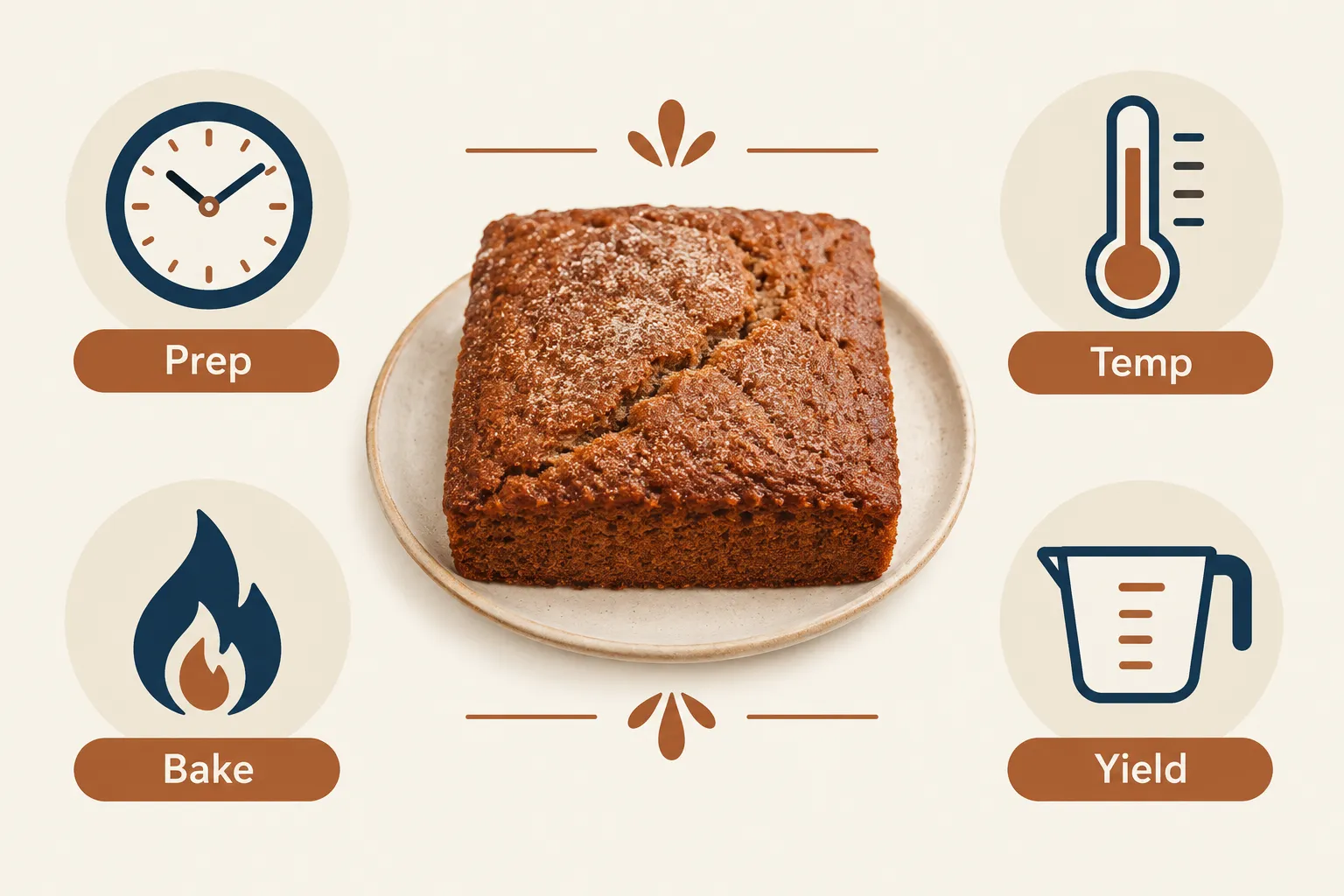
Recipe at a Glance
AttributeDetail
SubtitleA pantry-staple, eggless spice cake with a nutty buckwheat crumb
DescriptionA cheap, not-too-sweet snack cake made with buckwheat and all-purpose flour, warm spices, and molasses, leavened without eggs or butter.
Keywordswacky buckwheat spice cake, eggless spice cake, buckwheat snack cake, vinegar cake, whole-grain dessert
Difficulty LevelEasy
Preparation Time15 minutes
Cooking Time35 minutes
Rest Time20 minutes
Cooking Temperature350°F
CaloriesApproximately 210 per serving
Best SeasonFall and winter, especially around holiday coffee tables
Cooking MethodsBaking, whisking, folding
Cuisines SuggestionsAmerican home baking, Eastern European-inspired spice cakes
Recipe BadgesEgg-Free, Budget-Friendly, One-Bowl
Recipe KeysNo eggs or butter required; bakes directly in an ungreased pan; buckwheat flour adds nutty depth and lowers gluten content

What Is Wacky Buckwheat Spice Cake?

Wacky buckwheat spice cake is a snack-style cake that pairs buckwheat flour with warm baking spices, built on the “wacky cake” method of using vinegar and baking soda instead of eggs for lift. It is typically described as inexpensive, simple to assemble, and deliberately not too sweet, which makes it suited to everyday snacking rather than a showpiece dessert.

The name reflects two things at once. “Buckwheat” points to the flour, which is a gluten-free seed (technically not a true grain) that gives the cake a darker color and earthier flavor than plain wheat flour. “Spice” refers to the cinnamon, ginger, allspice, dry mustard, and black pepper that give the crumb its gingerbread-like warmth. The “wacky” part comes from the mixing method, explained further below.

A typical version blends all-purpose flour with buckwheat flour, cornstarch for tenderness, sugar, baking soda, salt, and the spice blend, then combines that with molasses, oil, vinegar, vanilla, and cold water. The batter goes straight into an ungreased 8×8-inch pan and bakes at 350°F for 30 to 40 minutes.

Wacky Buckwheat Spice Cake Recipe: Ingredients and Instructions

The core recipe uses twelve pantry ingredients and a straightforward one-bowl mixing method, making it approachable for bakers of any skill level. Below is a standard version sized for one 8×8-inch pan.

Ingredients

  • 1 cup all-purpose flour
  • 1/2 cup buckwheat flour
  • 2 tablespoons cornstarch
  • 2/3 cup granulated sugar
  • 1 teaspoon baking soda
  • 1/2 teaspoon salt
  • 1 teaspoon ground cinnamon
  • 1/2 teaspoon ground ginger
  • 1/4 teaspoon ground allspice
  • 1/4 teaspoon dry mustard
  • 1/8 teaspoon black pepper
  • 1/4 cup molasses
  • 1/3 cup vegetable oil
  • 1 tablespoon white vinegar
  • 1 teaspoon vanilla extract
  • 1 cup cold water

Instructions

  1. Preheat the oven to 350°F and leave an 8×8-inch pan ungreased.
  2. In a large bowl, whisk together the all-purpose flour, buckwheat flour, cornstarch, sugar, baking soda, salt, and all spices.
  3. Make three small wells in the dry mixture using the back of a spoon.
  4. Pour the oil into the first well, the vinegar into the second, and the vanilla into the third.
  5. Pour the molasses and cold water evenly over the top of the whole mixture.
  6. Whisk everything together directly in the pan or a mixing bowl until just combined and no dry streaks remain; avoid overmixing.
  7. Pour the batter into the ungreased pan and smooth the top.
  8. Bake for 30 to 40 minutes, until a toothpick inserted in the center comes out clean.
  9. Let the cake rest in the pan for 15 to 20 minutes before slicing.

Equipment

  • 8×8-inch baking pan
  • Large mixing bowl
  • Whisk
  • Measuring cups and spoons
  • Toothpick or cake tester

How to Make Wacky Buckwheat Spice Cake Without Overworking the Batter

Mixing dry and wet ingredients gently, without excessive stirring, is the single most important technique in this recipe because overmixing develops gluten and makes the crumb tough. Whisk only until the flour streaks disappear, then stop.

Because the leavening reaction between baking soda and vinegar starts immediately on contact, getting the batter into the oven quickly after mixing also matters. Waiting too long before baking can cause the cake to lose rise, resulting in a flatter, denser result than intended.

Wacky Buckwheat Spice Cake vs Regular Spice Cake

Wacky buckwheat spice cake differs from a regular spice cake mainly in flour choice and leavening method, which changes both texture and nutritional profile. Regular spice cake typically uses all-purpose flour, eggs, and butter or creamed shortening for structure and richness.

Feature Wacky Buckwheat Spice Cake Regular Spice Cake
Flour Buckwheat flour blended with all-purpose flour All-purpose flour only
Leavening Vinegar and baking soda reaction Eggs, baking powder, creamed butter
Texture Dense, moist, slightly rustic Light, fluffy, tender crumb
Flavor Nutty, earthy, warmly spiced Sweeter, more neutral base flavor
Cost Low, no eggs or dairy required Moderate, relies on eggs and butter

Choose the wacky buckwheat version if the goal is a budget-friendly, egg-free cake with a heartier bite. Choose a regular spice cake if a lighter, more traditional crumb and classic frosting pairing matter more than cost or allergen flexibility.

Can You Make Wacky Buckwheat Spice Cake Without Eggs, Vegan, or Dairy-Free?

Wacky buckwheat spice cake is already egg-free and dairy-free in its standard form, and it can be made fully vegan with no major changes since the base recipe relies on oil, vinegar, and plant-based liquids rather than eggs or butter. This is the defining trait inherited from the original “wacky cake” tradition.

Because oil replaces butter and water replaces milk in the classic formula, most bakers will not need to substitute anything for a vegan result. Points worth checking:

  • Sugar: confirm the granulated sugar used is processed without bone char if strict vegan certification matters.
  • Molasses: standard molasses is plant-derived and vegan-friendly, so no substitution is needed there.
  • Frosting or topping: if adding cream cheese frosting or whipped cream, swap in a plant-based cream cheese or coconut whipped topping to keep the full dessert dairy-free.

Is Wacky Buckwheat Spice Cake Gluten-Free?

Wacky buckwheat spice cake is not gluten-free as written, because most versions combine buckwheat flour with regular all-purpose wheat flour. Despite its name, buckwheat itself contains no gluten, but it is almost always paired with wheat flour in this recipe for structure.

To make a true gluten-free version, replace the all-purpose flour with a 1:1 gluten-free baking blend or increase the proportion of buckwheat flour and add a binding agent such as xanthan gum. Choose a 100 percent buckwheat approach if a denser, more mineral-forward crumb is acceptable; choose a gluten-free blend substitution if a closer match to the original texture is the priority.

Best Wacky Buckwheat Spice Cake Tips, Frosting Ideas, and Common Mistakes

The best results come from light mixing, accurate oven temperature, and restrained toppings that do not overpower the cake’s intentionally mild sweetness. Because the cake is “not too sweet” by design, simple finishes work better than heavy frostings.

Frosting and topping ideas:

  • Dust lightly with powdered sugar for a minimal, café-style presentation.
  • Add a dollop of crème fraîche or whipped cream on the side, a serving style associated with this specific cake.
  • Spread a thin layer of cream cheese frosting if a sweeter, more traditional spice-cake finish is preferred.
  • Drizzle with a light maple glaze for a fall-appropriate variation.

Common mistakes to avoid:

  • Greasing the pan: the original method relies on an ungreased pan, and greasing it can change browning and release.
  • Overmixing the batter: this activates gluten in the wheat portion and produces a tougher, less tender cake.
  • Skipping the rest time: cutting into the cake too soon can cause it to crumble or sink slightly in the center.
  • Substituting too much buckwheat flour without adjusting liquid: buckwheat absorbs moisture differently and can dry out the crumb if overused.

Wacky Buckwheat Spice Cake Shelf Life

Wacky buckwheat spice cake keeps well for about 2 to 3 days at room temperature when covered tightly, up to about a week when refrigerated, and up to 3 months when wrapped well and frozen. Its moisture content, driven by oil and molasses rather than butter, helps it stay soft longer than many creamed-butter cakes.

Storage guidance:

  • Counter: store in an airtight container for up to 3 days; best for short-term enjoyment with morning coffee.
  • Refrigerator: extends freshness to about 5 to 7 days, though the crumb may firm up slightly.
  • Freezer: wrap individual slices in plastic and foil, then freeze up to 3 months; thaw at room temperature before serving.

Wacky Buckwheat Spice Cake Nutrition

A typical serving of wacky buckwheat spice cake contains roughly 210 calories, driven mainly by oil, sugar, and molasses rather than eggs or dairy fat. Because buckwheat flour replaces part of the wheat flour, the cake also carries slightly more fiber and minerals than a standard spice cake made entirely with all-purpose flour.

NutrientPer Serving (approximate)
Calories210 kcal
Protein3 g
Fat8 g
Carbohydrates32 g

Why Is It Called Wacky Cake?

The name “wacky cake” comes from its unusual mixing method, where dry ingredients are combined directly with oil, vinegar, and vanilla poured into small wells, skipping the standard creaming of butter and eggs. This approach became popular during periods when eggs, butter, and dairy were scarce or expensive, making it a practical, low-cost way to bake a moist cake.

The vinegar reacts with the baking soda on contact to create the carbon dioxide bubbles that lift the batter, replacing the leavening power usually provided by whipped eggs. Wacky buckwheat spice cake keeps this same logic, simply adding buckwheat flour and a fuller spice blend to the formula.

Notes

  • Measure buckwheat flour by spooning it into the cup and leveling it off, since scooping directly from the bag can pack it down and dry out the cake.
  • If molasses is unavailable, dark corn syrup can substitute in a pinch, though the flavor will be milder and less bitter-sweet.
  • Bake time can run closer to 30 minutes in a glass pan and closer to 40 minutes in a dark metal pan, so start checking at the 28-minute mark.

FAQs

Is wacky buckwheat spice cake the same as gingerbread? It is closely related in flavor, since both use molasses and warm spices, but wacky buckwheat spice cake uses vinegar and baking soda for lift instead of the egg-based structure typical of many gingerbread recipes, and it includes buckwheat flour for a nuttier, denser crumb.

Can this cake be doubled for a 9×13-inch pan? Yes, doubling the ingredient list works well for a 9×13-inch pan, though bake time should be checked starting around the 35-minute mark since the thinner, wider layer bakes slightly faster than the standard 8×8-inch square.

Conclusion

Wacky buckwheat spice cake offers a practical, budget-friendly way to bring whole-grain flavor into a familiar spice cake format, without needing eggs, butter, or specialty equipment. Its reliance on vinegar and baking soda keeps the method simple, while buckwheat flour adds a nutty depth that sets it apart from a standard spice cake.

Home bakers ready to try it should start with the base recipe exactly as written, resist the urge to overmix, and taste the unfrosted cake before deciding whether a dusting of powdered sugar or a light glaze fits the occasion best. For holiday gatherings or a quiet afternoon with coffee, this cake delivers reliable results with minimal cost and effort.
The Easiest, Yummiest Sugar Cookies EVER!!!

Last updated: October 18, 2026

Quick Answer: The Easiest, Yummiest Sugar Cookies EVER!!! come from a simple creamed butter-and-sugar dough, rolled into balls, coated in sugar, and baked at 350 to 375 degrees Fahrenheit for 7 to 14 minutes until just set. The formula works for beginners because it skips chilling, uses pantry staples, and relies on pulling the cookies out before the edges brown, which keeps them soft and chewy.

Key Takeaways

  • A basic sugar cookie dough needs only six to eight pantry ingredients: butter, sugar, egg, vanilla, flour, baking soda, and salt.
  • Most “easiest” recipes bake at 350 to 375 degrees Fahrenheit for 7 to 14 minutes, pulling cookies while centers still look slightly underbaked.
  • Soft, chewy texture depends on underbaking slightly and using enough butter or fat relative to flour.
  • Sugar cookies differ from shortbread and cutout cookies in sugar content, leavening, and shape-holding ability.
  • Chilling dough, using cold butter, and correct oven temperature are the three biggest fixes for cookies that spread too thin.
  • Properly stored sugar cookies last about 5 to 7 days at room temperature, and raw dough freezes well for up to 3 months.
  • Cream cheese additions create a tangier, extra-soft variation that many home bakers now prefer over classic butter-only dough.

Recipe Snapshot for The Easiest, Yummiest Sugar Cookies EVER!!!

This snapshot answers the core planning questions at a glance: difficulty, timing, temperature, and calories for a standard batch of The Easiest, Yummiest Sugar Cookies EVER!!! The recipe is rated Easy and designed for home cooks with no prior cookie-baking experience.

Field Detail
Recipe Subtitle Soft, buttery, no-fuss cookies ready in under an hour
Difficulty Level Easy
Preparation Time 15 minutes
Cooking Time 10 minutes
Rest Time 10 minutes (optional dough rest)
Cooking Temperature 350 degrees Fahrenheit
Calories Approximately 140 per cookie
Best Season Year-round, especially winter holidays
Cooking Methods Creaming, baking, cooling
Cuisines Suggestions American, European-inspired bakery
Recipe Badges Beginner-Friendly, No-Chill Option, Freezer-Friendly

Recipe Description: This recipe produces soft, golden sugar cookies with crackled sugar-coated tops and tender centers. It uses a simple creamed dough that requires no special equipment and bakes quickly, making it ideal for weeknight baking or last-minute holiday trays.

Recipe Keywords: easy sugar cookies, soft sugar cookies, best sugar cookie recipe, homemade sugar cookies, beginner cookie recipe, sugar cookie dough, cutout sugar cookies

Recipe Keys:

  • Butter must be softened, not melted, for the right chewy texture.
  • Rolling dough balls in sugar before baking creates the signature crackled top.
  • Pulling cookies from the oven slightly early protects softness as they finish setting on the pan.

Ingredients for The Easiest, Yummiest Sugar Cookies EVER!!!

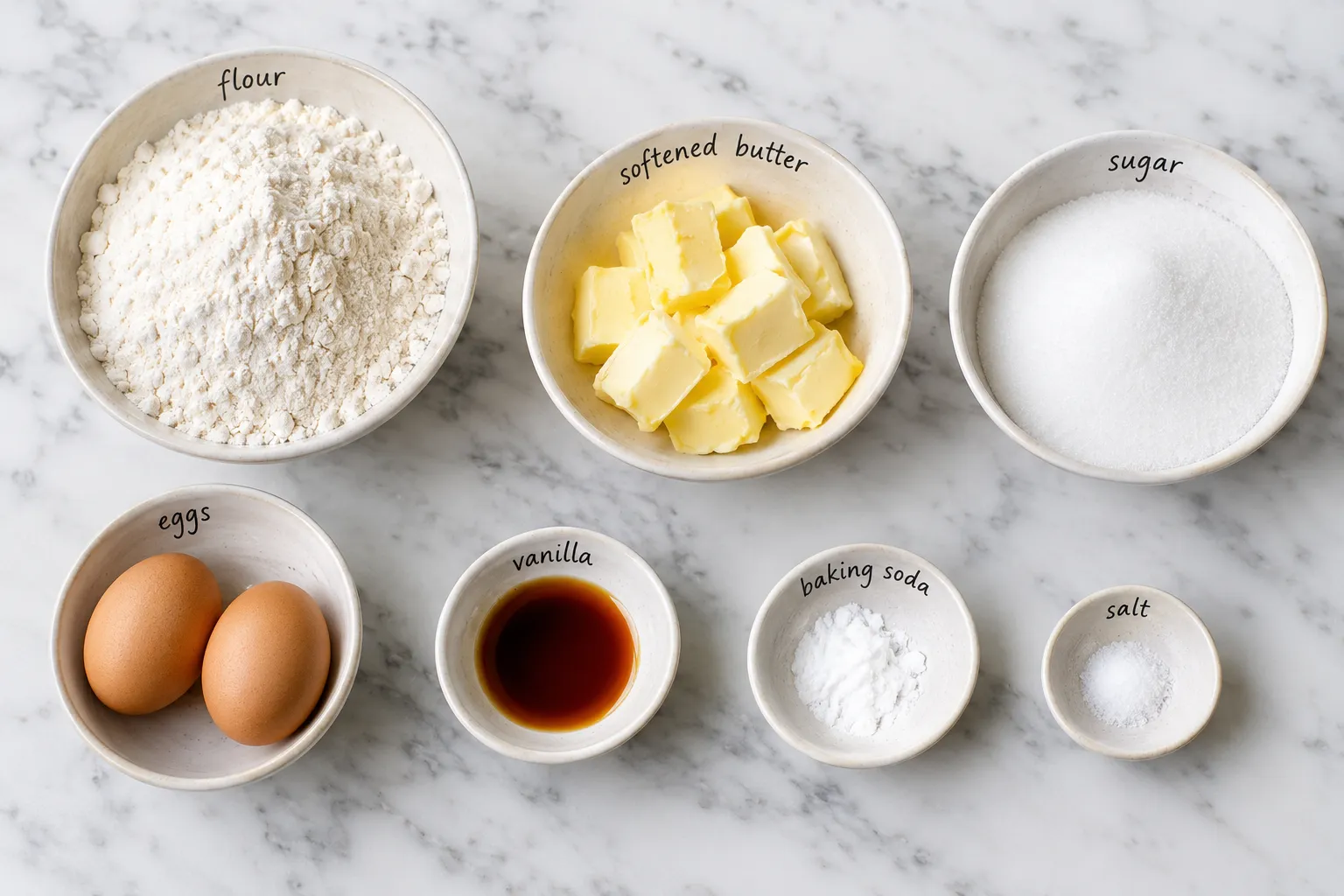
This recipe uses eight common pantry ingredients, scaled for roughly two dozen medium cookies.

  • 2 cups all-purpose flour (about 256 grams)
  • 1 cup unsalted butter, softened
  • 1 cup granulated sugar, plus extra for rolling
  • 1 large egg
  • 1 teaspoon vanilla extract
  • 3/4 teaspoon baking soda
  • 1/4 teaspoon salt
  • Optional: 2 ounces cream cheese, softened, for a tangier version

Instructions: How to Make The Easiest, Yummiest Sugar Cookies EVER!!!

Follow these steps in order for consistent results every time.

Instructions: How to Make The Easiest, Yummiest Sugar Cookies EVER!!!
  1. Preheat the oven to 350 degrees Fahrenheit and line two baking sheets with parchment paper.
  2. Cream softened butter and sugar together for 2 to 3 minutes until light and fluffy.
  3. Beat in the egg and vanilla extract until fully combined.
  4. In a separate bowl, whisk flour, baking soda, and salt, then fold into the wet mixture until just combined.
  5. Scoop dough into 1-inch balls and roll each ball in granulated sugar.
  6. Place balls 2 inches apart on the prepared sheets.
  7. Bake for 10 to 12 minutes, until edges are barely set and centers look slightly underbaked.
  8. Cool on the pan for 5 minutes, then transfer to a wire rack.

Equipment

  • Stand mixer or hand mixer
  • Mixing bowls (one large, one medium)
  • Baking sheets lined with parchment paper
  • Cookie scoop or tablespoon
  • Wire cooling rack

Nutrition

Nutrient Per Cookie (Approximate)
Calories 140
Protein 2 g
Fat 6 g
Carbohydrates 19 g

What Makes Sugar Cookies Easy to Make

Sugar cookies are easy because the dough uses a short, forgiving ingredient list and a single mixing method: cream, combine, scoop, bake. There is no laminating, no yeast proofing, and in many modern versions, no mandatory chilling step.

Three factors drive that ease:

  • Few ingredients. Butter, sugar, egg, flour, and a leavener cover most of the dough.
  • Forgiving technique. Overmixing is the main risk, and even slightly overmixed dough still bakes into an edible cookie.
  • Short bake windows. Most recipes finish in 7 to 14 minutes, which limits the chance of burning.

Choose a no-chill formula if time is tight. Choose a chilled dough version if the goal is sharper cutout shapes for decorating.

Best Sugar Cookie Recipe for Beginners

The best beginner sugar cookie recipe is a creamed butter-and-sugar dough rolled into balls and coated in sugar, baked at 350 degrees Fahrenheit for about 10 to 12 minutes. This method, used by major test kitchens including NYT Cooking and Taste of Home, avoids rolling pins, cutters, and chilling, which removes the steps most likely to trip up a new baker.

A common mistake for beginners is overbaking because the centers still look soft when they should come out. The correct cue is a dry, set edge with a slightly pale, barely golden center.

How to Make Sugar Cookies Soft and Chewy

Soft, chewy sugar cookies come from slightly underbaking the dough and using enough fat relative to flour. Pulling cookies out when the centers look just set, rather than fully browned, preserves moisture as residual heat finishes the bake on the pan.

Additional texture tips:

  • Use room-temperature butter, not melted, unless the recipe is specifically a melted-butter small-batch style.
  • Avoid overmixing once flour is added, since extra gluten development leads to tougher cookies.
  • A large cookie scoop (about 3 tablespoons) creates thicker cookies that stay soft longer than thin, flattened ones.

Edge case: high-altitude bakers may need to reduce sugar slightly and increase flour by a tablespoon or two, since thinner air encourages excess spread.

Sugar Cookies vs Shortbread Cookies vs Cutout Cookies: What’s the Difference

Sugar cookies, shortbread, and cutout cookies differ mainly in sugar ratio, leavening, and shape stability, not in basic ingredients. Sugar cookies use baking soda or powder and more sugar, giving a softer, slightly puffed cookie. Shortbread skips leavening entirely and uses a higher butter-to-flour ratio, producing a dense, crumbly texture. Cutout cookies are not a separate flavor category; they are simply sugar cookie dough rolled firm and chilled so it holds a cut shape through baking.

Choose shortbread if a dense, buttery bite without leavening is the goal. Choose a chilled sugar cookie dough if the goal is cutout shapes for decorating.

Can You Make Sugar Cookies Without Butter, and What About Nut Allergies

Yes, sugar cookies can be made without butter by substituting an equal amount of neutral shortening, coconut oil, or a plant-based butter alternative, though flavor and spread will shift slightly. Because the base recipe uses only butter, sugar, egg, flour, and leavening, it is naturally nut-free, making it a safe starting point for households managing nut allergies as long as cross-contact is avoided during baking and decorating.

  • Shortening produces a firmer, less-spreading cookie.
  • Coconut oil adds a mild coconut note and a slightly softer crumb.
  • Always check that vanilla extract, sprinkles, and any add-ins are produced in a nut-free facility if allergy risk is a concern.

Why Are My Sugar Cookies Spreading Too Much, and How Do I Get Them to Hold Their Shape

Sugar cookies spread too much when the butter is too warm, the dough is too soft, or the oven is under-temperature. The fix is chilling the dough for 10 to 30 minutes before baking and confirming the oven reaches the full 350 to 375 degree Fahrenheit range with an oven thermometer.

Common causes and fixes:

Problem Likely Cause Fix
Thin, flat cookies Butter too soft or melted Chill dough 10-30 minutes
Uneven spread Oven temperature too low Verify with oven thermometer
Cookies run together Spaced too close Leave 2 inches between balls

Edge case: humid climates may need an extra tablespoon of flour, since ambient moisture softens dough faster.

How Long Do Homemade Sugar Cookies Last, and Can You Freeze the Dough

Homemade sugar cookies last about 5 to 7 days at room temperature in an airtight container, and raw dough freezes well for up to 3 months. Freezing the dough as pre-scooped balls on a tray, then transferring to a freezer bag once solid, lets a baker pull just a few cookies at a time without thawing the whole batch.

  • Room temperature storage: airtight container, 5-7 days.
  • Freezer storage (baked cookies): up to 2 months, well wrapped.
  • Freezer storage (raw dough balls): up to 3 months, bake straight from frozen with 1-2 extra minutes.

Best Sugar Cookie Decorating Ideas

The simplest decorating approach is rolling dough balls in colored or coarse sugar before baking, which needs no icing or piping skills. For more detailed designs, royal icing with a stiff outline-and-flood technique gives clean edges on cutout shapes.

Popular, low-effort ideas include:

  • Sanding sugar or sprinkles pressed into the dough before baking.
  • A simple glaze drizzle made from powdered sugar and milk.
  • Royal icing outlines filled with flood icing for crisp cutout designs.
  • Stamped designs using a textured cookie stamp on chilled dough.

Choose sugar-rolled cookies for speed; choose royal icing for gift-worthy, detailed presentation.

Sugar Cookies Recipe With Cream Cheese

Adding 2 to 4 ounces of softened cream cheese to the standard butter-sugar base creates a tangier, extra-soft sugar cookie with a slightly denser crumb. This variation has grown popular because the added fat and moisture make the cookies stay soft for several extra days compared to butter-only versions.

Use this swap if the cookies need to travel or sit out for a day or two at a party, since the added moisture slows staling.

Are Store-Bought Sugar Cookies Better Than Homemade

Store-bought sugar cookies are more convenient but generally fall short of homemade on freshness, texture control, and ingredient simplicity. Packaged cookies rely on preservatives and stabilizers for shelf life, while homemade dough can be adjusted for softness, sweetness, and size in a single batch.

Choose store-bought if time is extremely limited and quality is a lower priority. Choose homemade if texture, flavor control, or allergy management matters, since a from-scratch dough lets a baker control every ingredient.

Notes

  • Measure flour by spooning it into the measuring cup and leveling it off, since scooping directly from the bag can pack in extra flour and dry out the dough.
  • A cookie is done when the edges look set and dry, even if the center still looks slightly soft; it will firm up while cooling on the pan.
  • For cutout shapes, chill the rolled dough on the baking sheet for at least 10 minutes before baking to reduce spreading.

FAQs

Does this recipe require chilling the dough? No, this base recipe does not require chilling for drop cookies. Chilling for 10 to 30 minutes is only recommended when rolling and cutting shapes, to help the dough hold its form.

What is the best oven temperature for sugar cookies? Most reliable recipes bake sugar cookies between 350 and 375 degrees Fahrenheit, with 350 degrees Fahrenheit for 10 to 12 minutes being the most common standard across major test kitchens.

Can this dough be made ahead of time? Yes, the dough can be made up to 3 days ahead and refrigerated, or frozen as scooped balls for up to 3 months for longer storage.

Why do my cookies taste bland? Bland sugar cookies usually mean too little salt or vanilla, or using old baking soda. Fresh leavening and a full teaspoon of vanilla extract noticeably improve flavor.

Is this recipe suitable for cutout shapes? Yes, the dough works for cutout shapes if rolled to about 1/4-inch thickness and chilled briefly before baking, which helps the cut edges stay crisp.

Conclusion

The Easiest, Yummiest Sugar Cookies EVER!!! earn that title through a short ingredient list, a forgiving mixing method, and a bake time under 15 minutes. Home cooks get the best results by using softened butter, pulling cookies out while centers still look slightly underbaked, and choosing between a no-chill drop method or a chilled cutout version depending on the occasion.

Start with the base recipe above, bake one test batch, and adjust bake time by a minute in either direction based on individual oven performance. From there, the dough is ready for sugar coatings, royal icing, or a cream cheese twist for any season.

sugar cookies, easy sugar cookie recipe, soft sugar cookies, homemade cookies, beginner baking, cookie decorating ideas, sugar cookie dough, cream cheese sugar cookies, freezer cookie dough, holiday baking, cutout cookies, shortbread comparison